
When planning a retail renovation, relocation, or complete redevelopment, understanding the difference between interior and full retail demolition services is essential. Many property owners and business operators in Singapore assume that all demolition projects are the same, but the scope, cost, timeline, and requirements can vary significantly depending on the type of demolition involved.
As providers of retail demolition services Singapore businesses rely on, we often help clients determine whether they need interior demolition or full demolition before starting their renovation or redevelopment project. Choosing the right service ensures a smoother project, better cost control, and compliance with local regulations.
Understanding Retail Demolition Services
Retail demolition services involve the safe removal of structures, fixtures, and building components within commercial retail spaces. These services are commonly required when upgrading a store, changing tenants, rebranding a retail outlet, or preparing a property for redevelopment.
Retail demolition projects can range from removing interior fittings and partitions to demolishing an entire commercial structure. The type of demolition required depends on the property’s condition, renovation goals, and future plans for the space.
What Is Interior Retail Demolition?
Interior retail demolition focuses solely on removing the non-structural elements inside a retail space while leaving the main building structure intact.
This type of demolition typically includes:
- Removing partition walls
- Dismantling shelving systems
- Removing floor finishes and tiles
- Stripping ceilings
- Taking out counters and display units
- Removing electrical fixtures and fittings
- Dismantling HVAC components when necessary
Interior demolition is commonly performed when a retail unit is undergoing renovation, tenant reinstatement, or a complete interior redesign.
The objective is to create a blank canvas that allows contractors and designers to build a new retail environment without affecting the structural integrity of the building.
What Is Full Retail Demolition?
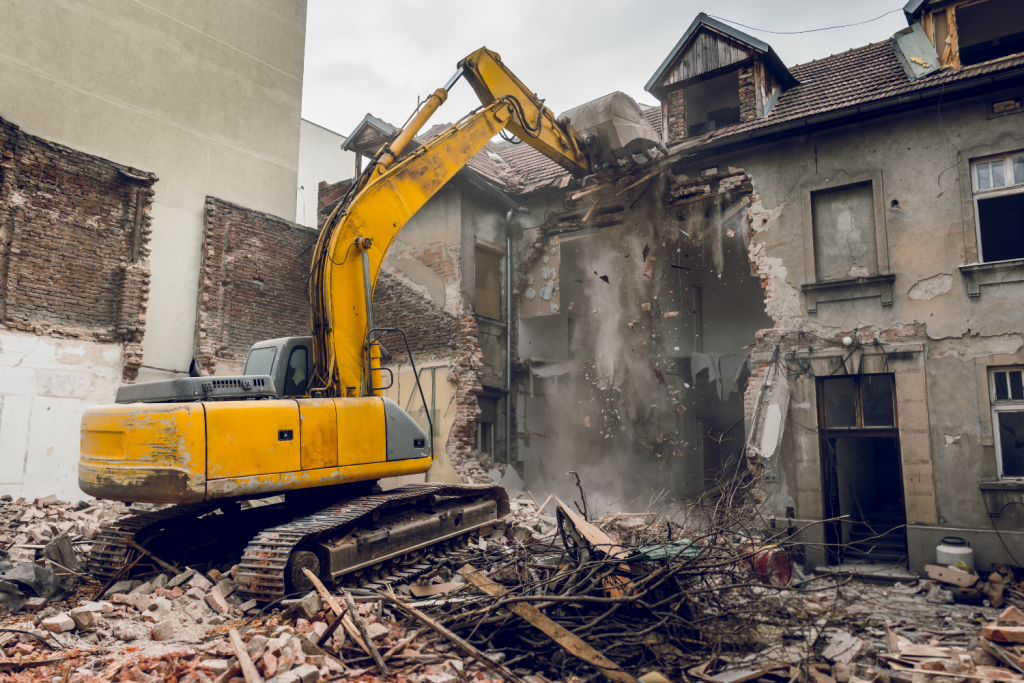
Full retail demolition involves the complete removal of a retail structure, including both interior and exterior components.
This process may include:
- Structural wall removal
- Roof demolition
- Foundation removal
- Exterior facade demolition
- Utility disconnection
- Complete site clearance
Full demolition is usually required when a building has reached the end of its useful life, when redevelopment is planned, or when major structural issues make renovation impractical.
Unlike interior demolition, full demolition requires more extensive planning, engineering assessments, safety controls, and regulatory approvals.
Key Differences Between Interior and Full Retail Demolition Services
Understanding the distinction between these services can help property owners make informed decisions.
Scope of Work
Interior demolition targets only internal non-load-bearing components. Full demolition removes the entire building structure.
Project Complexity
Interior demolition projects are generally less complex and can often be completed faster. Full demolition requires comprehensive planning, specialized equipment, and extensive safety measures.
Cost
Interior demolition typically costs less because fewer materials are removed and less equipment is required. Full demolition involves larger crews, heavy machinery, waste management, and site preparation costs.
Timeline
Interior demolition projects can often be completed within days or weeks, depending on the retail space size. Full demolition projects may take several weeks or months.
Permits and Compliance
Full demolition projects usually require more regulatory approvals than interior demolition due to their impact on surrounding structures and public safety.
Benefits of Interior Retail Demolition Services
Many retail businesses choose interior demolition because it offers several advantages.
Faster Renovation Process
By preserving the building structure, interior demolition allows renovation work to begin quickly.
Lower Project Costs
Since only selected components are removed, businesses can reduce demolition expenses while achieving a complete interior transformation.
Minimal Structural Impact
Interior demolition maintains the integrity of the building, reducing engineering requirements and approval processes.
Flexible Design Opportunities
A stripped retail space provides architects and designers with greater flexibility to create modern layouts and customer experiences.
Benefits of Full Retail Demolition Services
Full demolition can also provide significant advantages when redevelopment is the primary goal.
Complete Site Redevelopment
Property owners gain a clean site that can be used for new construction projects.
Improved Building Safety
Older buildings with structural issues can be safely removed and replaced with modern facilities.
Increased Property Value
Redeveloping outdated retail properties often enhances long-term investment value.
Better Space Utilization
A new construction project can maximize available land and accommodate evolving commercial requirements.
How to Determine Which Service You Need
The decision between interior and full retail demolition depends on several factors.
Your Project Goals
If you are renovating or rebranding an existing retail space, interior demolition is usually sufficient. If you plan to replace the entire building, full demolition is necessary.
Building Condition
Structures with major damage, deterioration, or outdated systems may require full demolition instead of renovation.
Budget Considerations
Interior demolition is generally more cost-effective, while full demolition requires a larger investment.
Future Business Plans
Long-term redevelopment strategies often justify full demolition, while short-term upgrades may only require interior works.
Why Professional Retail Demolition Services Matter
Retail demolition should never be treated as a simple removal project. Proper planning is essential to ensure safety, regulatory compliance, and efficient project execution.
At Demo Squad, we help clients evaluate their demolition requirements and recommend the most practical solution based on their renovation or redevelopment objectives. Our experience with retail demolition services Singapore projects enables us to manage demolition work efficiently while minimizing disruption to neighboring businesses and occupants.
Professional demolition contractors can also coordinate waste removal, site preparation, utility disconnections, and safety management, helping clients avoid costly delays.
Suggested Article: What Are Retail Demolition Services in Singapore and When Do Shops Need Them?
Factors to Consider Before Starting a Retail Demolition Project
Before proceeding with demolition, property owners should assess several important considerations.
Site Accessibility
Limited access may affect equipment selection and project timelines.
Safety Requirements
Protecting workers, neighboring businesses, and the public must remain a top priority.
Waste Management
A proper disposal plan helps reduce environmental impact and ensures regulatory compliance.
Building Regulations
All demolition activities should comply with applicable Singapore construction and safety standards.
Project Timeline
Early planning helps prevent delays and keeps renovation or redevelopment schedules on track.
Conclusion
Understanding the difference between interior and full retail demolition services is critical when planning a retail renovation or redevelopment project. Interior demolition focuses on removing non-structural elements to prepare a space for modernization, while full demolition involves removing the entire building to create a clear site for new development.
Both approaches offer unique benefits depending on your business objectives, budget, and property condition. Working with an experienced contractor ensures the project is completed safely, efficiently, and in compliance with local regulations. At Demo Squad, we provide reliable retail demolition services Singapore businesses can depend on, helping clients transform retail spaces and prepare properties for their next stage of development.
Frequently Asked Questions
1. What are retail demolition services in Singapore?
Retail demolition services Singapore businesses use involve the safe removal of retail fixtures, partitions, flooring, ceilings, and other structures to prepare a commercial space for renovation, reinstatement, or redevelopment. Depending on project requirements, demolition may involve interior stripping works or complete building removal.
2. How much do retail demolition services cost in Singapore?
The cost of retail demolition services depends on factors such as the size of the retail space, the scope of demolition work, accessibility, waste disposal requirements, and permit considerations. Interior demolition projects generally cost less than full retail demolition because they involve fewer structural components.
3. Do I need permits for retail demolition services in Singapore?
Permit requirements vary based on the extent of the demolition work. Minor interior demolition may require fewer approvals, while larger structural demolition projects often require permits and compliance with local building regulations. A professional demolition contractor can help ensure all necessary approvals are obtained.
4. How long does a retail demolition project typically take?
The timeline depends on the size and complexity of the project. Small retail demolition projects may take only a few days, while larger commercial demolition works can take several weeks. Factors such as site conditions, safety requirements, and waste removal can also affect project duration.
5. What is the difference between retail demolition and retail reinstatement?
Retail demolition focuses on removing existing structures and fixtures within a retail space. Retail reinstatement involves restoring the property to its original condition, often as required by landlords when a tenant vacates the premises. Many retail renovation projects begin with demolition before reinstatement or refurbishment work takes place.