
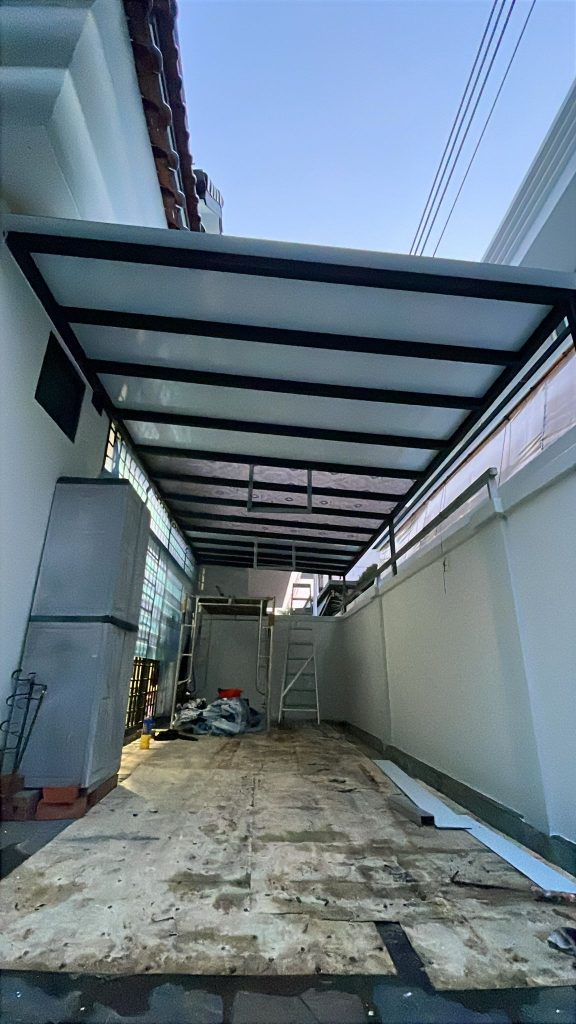
Understanding the guidelines for canopy and shelter installation in Singapore at Housing & Development Board (HDB) flats is essential for both homeowners and property managers. In Singapore’s dense urban landscape, thoughtful design and compliance help ensure safety, uniformity, and quality of living across residential environments. This comprehensive guide to canopy and shelter installation in Singapore explores every key aspect of HDB rules, best practices, and installation standards, giving you clarity on what’s allowed, and what’s not, when installing shelters, canopies, and related structures.
Canopy and Shelter Installation in Singapore
Canopy and shelter installation in Singapore plays a vital role in enhancing outdoor comfort and functionality in both residential and commercial spaces, especially given the country’s tropical climate with frequent rain and intense sun. These structures are commonly installed in areas such as patios, walkways, car parks, and building entrances to provide reliable protection while also adding aesthetic value. Modern canopy designs in Singapore often incorporate durable materials like polycarbonate, aluminum, and tempered glass to ensure longevity and low maintenance.
Additionally, installations are typically customized to suit specific spatial requirements and architectural styles, with options ranging from retractable awnings to fixed shelters. Professional installation services are important to ensure compliance with local building regulations and to guarantee structural safety, making canopies and shelters a practical and popular solution for weather protection in urban environments.
Understanding HDB Shelters and Canopies
An HDB residential shelter can be a practical addition to your home. It includes structures such as balcony shelters, corridor coverings, and outdoor canopies that provide shade, shelter from rain, and extended usable space. However, because these structures alter the exterior appearance and function of a building, the Housing & Development Board regulates their design, materials, and installation.
Common uses include:
- Protecting outdoor areas from weather
- Creating semi-enclosed spaces for drying laundry
- Enhancing ventilation
- Providing a safer environment around entrances and walkways
Before considering shelter upgrades, it’s important to familiarize yourself with the official guidelines and approval process.
HDB’s Design and Aesthetic Requirements
The HDB places a strong emphasis on visual harmony in residential estates. This means that all installed shelters and canopies must align with certain aesthetic standards to fit within the broader architectural design of a block or precinct.
Key points include:
- Uniformity: Shelter colors, profiles, and frames must be consistent with approved schemes so that the building retains a cohesive exterior.
- Material selection: Only HDB-approved materials like tempered glass, aluminum, and polycarbonate sheeting can be used. These materials balance durability and safety.
- Non-intrusive profiles: The structure must not protrude excessively beyond the flat’s boundary to ensure it doesn’t disrupt the appearance of neighboring units or communal areas.
Considering these standards early in your planning process helps avoid revisions and rejections from the approval board.
Structural Integrity and Installation Constraints
Safety starts with a sound structure. HDB regulations specify criteria to ensure that any canopy or shelter is not only visually compliant but also structurally safe.
Some of the main requirements include:
- Engineering assessment: Depending on size and complexity, an engineer’s report may be required to show that load calculations and support systems are adequate.
- Fixed anchor points: Shelters must be securely attached at designated anchor points. Drilling or altering structural elements unauthorized by HDB is not permitted.
- No obstruction of drainage: Installation must not block downpipes or water runoff paths, a common issue during heavy tropical rains.
By satisfying structural standards, you safeguard your home and maintain longevity for the installed shelter.
Safety and Compliance with HDB Regulations
When it comes to installing a canopy or shelter in an HDB flat, Safety and Compliance with HDB Regulations are non-negotiable. The board enforces clear rules to safeguard residents and the built environment.
These include:
- HDB Approval: A mandatory requirement for any alteration that affects the exterior of an HDB unit. Approval must be sought before installation begins.
- Certified contractors: Only licensed professionals should perform the installation. This ensures compliance with safety codes, proper use of tools, and understanding of HDB constraints.
- Fire safety considerations: Provisions must be made to ensure that installations do not impede fire escape routes, access for emergency services, or visibility of safety signage.
- Regular maintenance: Once installed, shelters must be maintained to prevent hazards like loose fittings or broken panels.
Familiarity with these regulations protects homeowners from fines, enforcement actions, and potential hazards.
What You Need to Prepare for HDB Submission
Before submitting an application for HDB shelter installation, certain documents and plans are required. Being prepared helps speed up approval and reduces the chances of revisions.
Typical requirements include:
- Detailed design drawings: Elevations, dimensions, materials, and installation methods.
- Structural reports: Depending on project scope, an engineer’s assessment may be required.
- Site plans: Showing where the shelter will attach relative to existing fixtures and boundaries.
- Contractor details: Including registration, licenses, and past work history.
Completing these requirements thoughtfully increases your chances of quick approval.
Common Installation Scenarios and Restrictions
Different installation scenarios carry different rules:
Balcony Shelters
- Can be installed only if they don’t obstruct ventilation openings.
- Should allow for safe water drainage.
- Cannot encroach on communal space or violate height restrictions.
Corridor and Walkway Canopies
- Often used to protect entrance ways from rain.
- Must maintain minimum clearance for walkways to ensure pedestrian safety.
- Should not reduce effective width below HDB standards.
Outdoor Shelters
- Ideal for ground-level units with adjacent outdoor space.
- Must avoid interfering with estate landscaping.
- May have additional zoning or setback requirements.
By understanding these scenarios in detail, homeowners can better plan their renovation or shelter project.
Choosing the Right Materials and Fixtures
HDB-approved materials help ensure durability and compliance. Popular options include:
- Tempered glass panels for safety and clear visibility
- Aluminum frames for corrosion resistance and lightweight structural support
- Polycarbonate sheeting for cost-effective yet durable coverage
Choose fixtures and fasteners that are rust-resistant and appropriate for Singapore’s tropical climate. Proper material selection helps enhance longevity and reduces maintenance needs.
Suggested Article: Why Hire a Licensed Shelter Contractor in Singapore?
Hiring Professionals for Your Project
A safe and compliant installation requires expertise. Engaging professionals ensures that your design adheres to HDB standards, engineering requirements are met, and installation is carried out correctly.
When searching for services, many homeowners look up terms like Singapore shelter installation services, shelter installation services, or even shelter installation services near me. It’s important that you verify credentials, view past work, and confirm that the chosen installer understands HDB guidelines.
Tips for Long-Term Maintenance
Once your shelter is installed, proper maintenance ensures safety and usefulness:
- Regular inspections: Look for signs of wear, loose fittings, or panel damage.
- Clean gutters and drains: Prevent blockage to avoid water pooling that could weaken structure.
- Check seals and fasteners: Weather exposure can loosen elements over time; tighten and replace as needed.
Maintenance not only extends life but ensures continued compliance with safety standards.
Conclusion
Understanding the HDB guidelines for canopy and shelter installation in Singapore helps you plan wisely, comply fully, and enjoy the benefits of enhanced outdoor space. From design standards and regulatory compliance to material selection and professional installation, each step plays a vital role in project success. With careful planning and expert execution from Demo Squad, your shelter installation will be safe, efficient, and compliant with all HDB requirements, giving you peace of mind and lasting comfort.
FAQs
1. Do I need HDB approval for canopy and shelter installation in Singapore?
Yes, HDB approval is mandatory for any canopy or shelter that affects the exterior of an HDB flat. This ensures safety, proper design, and regulatory compliance. Demo Squad assists clients by advising on approval requirements and ensuring installations follow HDB guidelines.
2. What types of HDB shelters can Demo Squad install?
Demo Squad installs HDB-compliant balcony shelters, corridor canopies, and entrance shelters that meet approved design standards, material requirements, and dimensional limits set by HDB.
3. Does Demo Squad use HDB-approved materials for shelter installation?
Yes. Demo Squad uses only HDB-approved materials such as aluminum frames, tempered glass, and polycarbonate panels to ensure durability, safety, and suitability for Singapore’s climate.
4. How does Demo Squad ensure shelter installations do not affect neighbours?
Demo Squad carefully plans each installation to ensure it does not block ventilation, natural light, walkways, or emergency access, maintaining compliance with HDB guidelines and estate harmony.
5. Why should I choose Demo Squad for HDB canopy and shelter installation?
Demo Squad is experienced in HDB-compliant shelter installations, offering professional workmanship, regulatory compliance, and reliable service that gives homeowners confidence and peace of mind.