
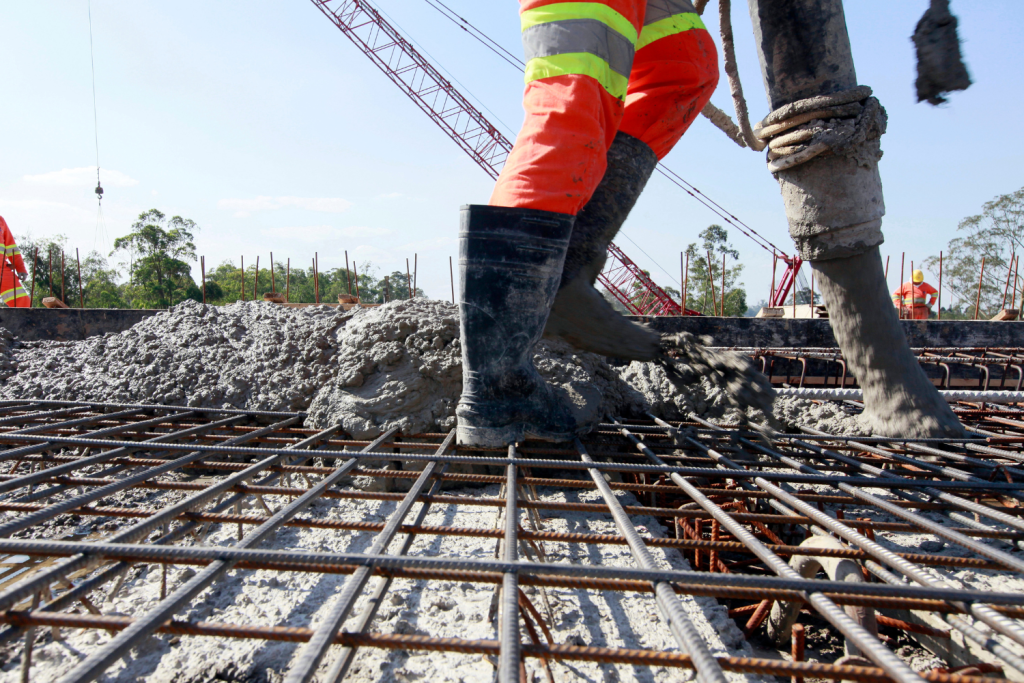
Construction projects involve more than just building structures. They require careful planning, strict safety measures, and compliance with regulations to protect workers, property owners, and the public. Whether it is a residential development, commercial renovation, industrial facility, or infrastructure project, safety and regulatory compliance play a critical role in project success.
As providers of construction services in Singapore, we understand that maintaining high safety standards and meeting regulatory requirements are essential for delivering quality projects. Failure to comply can result in project delays, financial penalties, workplace accidents, and legal complications.
In this article, we explain how construction services in Singapore ensure safety and regulatory compliance throughout every stage of a construction project.
Understanding Construction Services in Singapore
Construction services encompass a wide range of activities involved in building, renovating, upgrading, and maintaining structures. These services require coordination among contractors, engineers, architects, project managers, and regulatory authorities.
A professional construction company must not only complete projects efficiently but also ensure that all work complies with local safety standards and regulations.
Why Safety Is Critical in Construction Projects
Construction sites contain numerous risks, including heavy machinery, elevated work areas, electrical systems, and structural activities. Without proper safety procedures, accidents can occur and impact workers, clients, and the surrounding community.
Construction companies prioritize safety to:
- Prevent workplace injuries
- Protect public safety
- Reduce project disruptions
- Maintain productivity
- Avoid costly penalties
- Improve project quality
A strong safety culture helps ensure projects are completed efficiently while minimizing risks.
Understanding Construction Regulations in Singapore
Singapore maintains strict construction regulations to ensure safe and sustainable building practices.
Construction companies must comply with requirements related to:
- Workplace safety
- Building standards
- Structural integrity
- Environmental protection
- Fire safety measures
- Worker welfare
- Equipment operation
- Site management
Compliance is not a one-time process. It must be maintained throughout the entire construction lifecycle, from planning and design to project completion.
How Construction Services Ensure Workplace Safety
Comprehensive Risk Assessments
Before construction work begins, detailed risk assessments are conducted to identify potential hazards.
These assessments evaluate:
- Site conditions
- Structural risks
- Equipment usage
- Access limitations
- Environmental factors
- Worker safety concerns
Identifying risks early allows contractors to implement preventive measures before work starts.
Safety Training and Certification
Construction workers receive training to ensure they understand proper work procedures and safety protocols.
Training may include:
- Working at heights
- Equipment handling
- Emergency response procedures
- Hazard identification
- Personal protective equipment usage
Properly trained workers are less likely to experience accidents and can respond effectively to potential dangers.
Use of Personal Protective Equipment
Personal protective equipment (PPE) is one of the most important safety measures on construction sites.
Common PPE includes:
- Safety helmets
- Protective eyewear
- Safety boots
- Gloves
- Reflective clothing
- Respiratory protection
Using the appropriate protective gear significantly reduces the risk of injury.
Site Safety Management Procedures
Effective site management helps maintain a safe and organized work environment.
Regular Safety Inspections
Routine inspections ensure safety measures remain effective throughout the project.
Inspections help identify:
- Unsafe work practices
- Equipment defects
- Site hazards
- Compliance issues
Prompt corrective action helps prevent incidents before they occur.
Clear Safety Communication
Construction projects involve multiple teams working simultaneously.
Clear communication ensures everyone understands:
- Safety procedures
- Site rules
- Emergency protocols
- Work schedules
- Restricted areas
Effective communication reduces misunderstandings and promotes accountability.
At Demo Squad, safety communication forms an essential part of our project management process. We believe every worker and stakeholder should understand their responsibilities to help maintain a safe construction environment.
How Construction Services Maintain Regulatory Compliance
Proper Licensing and Certifications
Construction companies must maintain the necessary licenses and certifications required for specific project types.
Working with licensed professionals helps ensure:
- Regulatory compliance
- Quality workmanship
- Project accountability
- Legal protection
Qualified contractors understand applicable regulations and implement them throughout the project.
Adherence to Approved Plans
Construction work must follow approved project plans and specifications.
Any deviations may require additional approvals to ensure compliance with building requirements and safety standards.
Following approved designs helps maintain structural integrity and project consistency.
Documentation and Record Keeping
Accurate documentation is essential for demonstrating compliance.
Important records may include:
- Safety reports
- Inspection logs
- Training records
- Equipment maintenance reports
- Permit documentation
Proper documentation helps contractors address audits, inspections, and project reviews efficiently.
Environmental Compliance in Construction Projects
Modern construction projects must also consider environmental responsibilities.
Waste Management
Construction activities generate debris and waste materials that require proper handling and disposal.
Effective waste management includes:
- Material segregation
- Recycling practices
- Responsible disposal methods
- Site cleanliness maintenance
Proper waste management helps reduce environmental impact and improve site safety.
Dust and Noise Control
Construction activities can affect neighboring properties and businesses.
Contractors use measures such as:
- Dust suppression systems
- Noise barriers
- Controlled working hours
- Equipment maintenance
These strategies help minimize disruption while maintaining compliance with environmental standards.
Benefits of Hiring Professional Construction Services in Singapore
Choosing experienced construction professionals provides several important advantages.
Enhanced Safety Standards
Professional contractors implement comprehensive safety programs that protect workers and project stakeholders.
Regulatory Compliance Assurance
Experienced construction companies understand local regulations and ensure projects remain compliant throughout every phase.
Reduced Project Delays
Proper planning and compliance management help prevent interruptions caused by violations or safety incidents.
Improved Quality Control
Strict procedures and inspections help maintain high construction standards and reduce costly rework.
Better Risk Management
Professional contractors identify and address risks before they become major problems.
Common Challenges in Construction Compliance
Construction projects often face challenges that require proactive management.
These may include:
- Changing regulations
- Complex project requirements
- Tight project timelines
- Site-specific risks
- Environmental concerns
Addressing these challenges requires expertise, planning, and continuous monitoring to ensure successful project delivery.
Suggested Article: Demo Squad Introduces Safer, Faster Demolition Contractor Singapore for 2026
Choosing a Reliable Construction Services Provider
When selecting a construction company, consider factors such as:
Industry Experience
Experienced contractors are better equipped to manage safety and compliance requirements.
Safety Track Record
A strong safety record demonstrates a company’s commitment to protecting workers and clients.
Qualified Workforce
Certified and trained personnel contribute to safer and more efficient project execution.
Project Management Capabilities
Effective project management helps coordinate compliance activities while maintaining schedules and budgets.
Conclusion
Safety and regulatory compliance are fundamental components of successful construction projects. From risk assessments and worker training to environmental management and documentation, professional construction services in Singapore implement comprehensive procedures to protect workers, clients, and the public.
By partnering with experienced contractors, property owners can reduce risks, improve project efficiency, and ensure compliance with industry requirements. At Demo Squad, we are committed to maintaining the highest standards of safety and regulatory compliance, helping our clients complete construction projects with confidence, quality, and peace of mind.
Frequently Asked Questions
1. How do construction services in Singapore ensure regulatory compliance?
Construction companies follow approved building plans, maintain proper documentation, conduct regular inspections, and adhere to local safety and construction regulations throughout the project.
2. What safety measures are commonly used on construction sites?
Common safety measures include risk assessments, safety training, personal protective equipment (PPE), site inspections, hazard controls, and emergency response procedures.
3. Can construction projects proceed without safety inspections?
No. Regular safety inspections are essential for identifying hazards, ensuring compliance, and preventing accidents that could delay the project or lead to penalties.
4. Why is it important to hire a licensed construction contractor in Singapore?
Licensed contractors have the qualifications, experience, and regulatory knowledge required to complete projects safely, legally, and according to industry standards.
5. How does regulatory compliance benefit construction projects?
Regulatory compliance helps avoid legal issues, reduces project delays, improves safety, enhances construction quality, and protects both property owners and workers.