
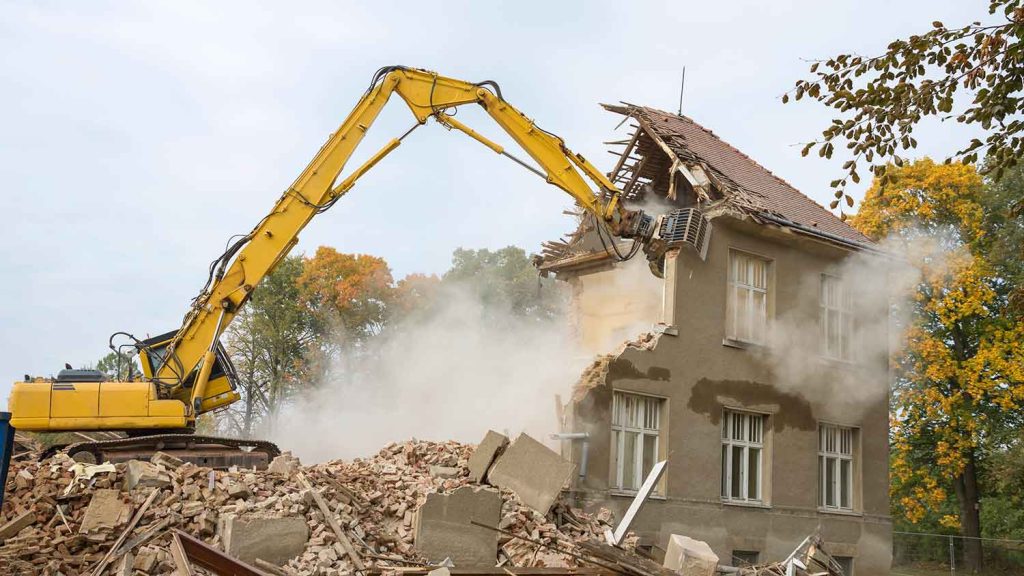
Demolition Contractor Guide in Singapore (2025)
Demolition is often the first step to unlocking new space — whether you’re preparing for renovation, clearing a commercial unit, or dismantling an old factory. In Singapore, demolition works are tightly regulated, and hiring the right contractor is crucial.
In this guide, you’ll learn:
- What demolition work includes
- The difference between hacking and demolition
- How to choose a qualified demolition contractor
- What permits and safety measures are required
What Is Considered Demolition Work?
Demolition is the systematic removal of physical structures, such as walls, beams, ceilings, fixtures, and built-ins — usually to prepare for rebuilding or handover.
Demolition can be:
- Partial (interior only, non-structural)
- Selective (certain rooms, levels, or features)
- Full-scale (gutting entire properties or commercial spaces)
Common Demolition Projects in Singapore
Residential
- Landed property demolition
- Full-gutting of old terrace or inter-terrace units
- Condo or resale HDB full interior strip-out
Commercial
- Office unit clearing for end-of-lease reinstatement
- Retail shop strip-out (partitions, counters, lighting)
- F&B outlet dismantling (kitchen equipment, exhaust, flooring)
Industrial
- Warehouse and factory floor removal
- Concrete slab and beam demolition
- Machine base and support structure removal
What’s the Difference Between Demolition and Hacking?
- Hacking
- Smaller-scale removal (walls, tiles, partitions)
- HDB flats, light reno projects
- Demolition
- Larger-scale or structural removal (ceilings, fixtures, beams)
- Commercial & industrial properties
Both require experienced teams, dust control, and waste disposal — but demolition usually demands stricter permits and safety precautions.
Permits & Safety Requirements
Depending on the building type and scope, you may need:
- BCA Notification or Permit (for structural demo)
- PE Endorsement (if affecting load-bearing elements)
- HDB Approval (for flats)
- MCST/landlord consent (for condos and offices)
Your contractor should:
- Provide a method statement and risk assessment
- Set up proper hoarding and dust protection
- Use licensed debris disposal partners
How to Choose a Demolition Contractor in Singapore
Look for:
- BCA-registered and bizSAFE-certified companies
- Experience with your property type (HDB, office, warehouse)
- Clear pricing and scope breakdown
- NEA-compliant waste disposal
- Familiarity with building management rules
Avoid:
- Unlicensed teams or freelance workers
- Verbal-only agreements without documentation
- Contractors who skip permit procedures or offer “shortcuts”
Why Clients Choose Us for Demolition
- Licensed and experienced with residential, commercial, and industrial demolition
- Familiar with MCST, HDB, and BCA compliance
- One-stop solution: demolition, reinstatement, and waste disposal
- Fast turnaround and full site clean-up
We’ve helped clients across Singapore safely and efficiently prepare their spaces for what’s next — from old shophouses to multi-storey offices.
Demolition isn’t just about tearing things down — it’s about doing it safely, legally, and efficiently.